'/%3E%3C/svg%3E)
'/%3E%3Cuse%20href='%23a'%20transform='rotate(216%20450%20300)'/%3E%3C/g%3E%3Cuse%20href='%23b'%20transform='rotate(72%20450%20300)'/%3E%3C/svg%3E)


Interprofessional Care in Optometry
As an optometrist, we are primary healthcare provider and encounter patients on a daily basis. It is important that not only improve patients’ vision but also their overall wellness. It is crucial to maximize the skills as a primary care optometrist to help patients function in their daily tasks or hobbies. Knowing that optometry plays a significant role in healthcare, it is important to collaborate not just with ophthalmology, but with other health and non-health professionals in the community.
In recent years, the concept of interprofessional care has gained attraction. Interprofessional care is a collaborative practice approach among a team of multidisciplinary healthcare givers, such as optometrists, family doctors, pharmacists, educators, physiotherapists, occupational therapists, social workers, and dentists.
- Introduce the role of the Optometrist (Part 1) and work towards establishing healthy professional relationships.
- Emphasize the importance of optometry and its role in healthcare, especially in the management of aging patient populations and chronic systemic diseases.
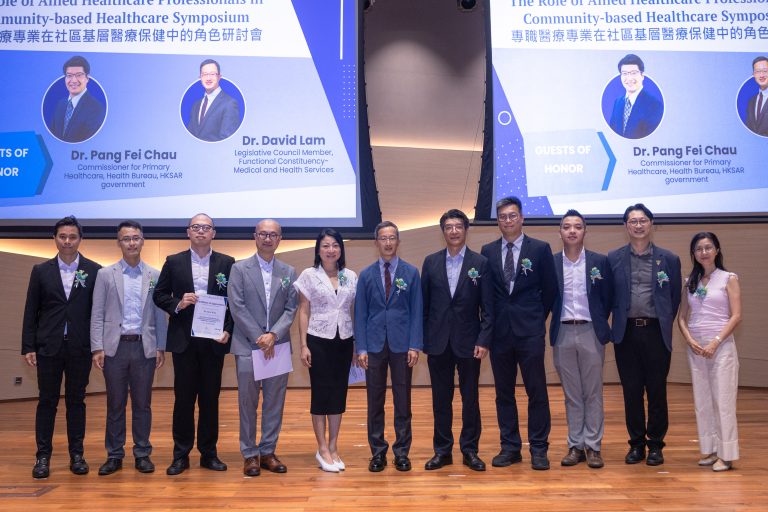
Recent Interprofessional Collaboration Event
This first-of-its-kind collaboration brought together representatives from three allied health professions to share their perspectives on enhancing Hong Kong’s primary healthcare system.
Through keynote talks and panel discussions, the symposium emphasized the importance of cross-disciplinary communication and co-management of patients. It highlighted how optometrists, physiotherapists, and radiographers can work together to strengthen preventive care, early detection, and rehabilitation services in the community.
HKSPO believes this marks only the beginning of many future collaborations among allied health professionals, paving the way toward a more integrated and patient-centred healthcare network in Hong Kong.
Contact Us for More
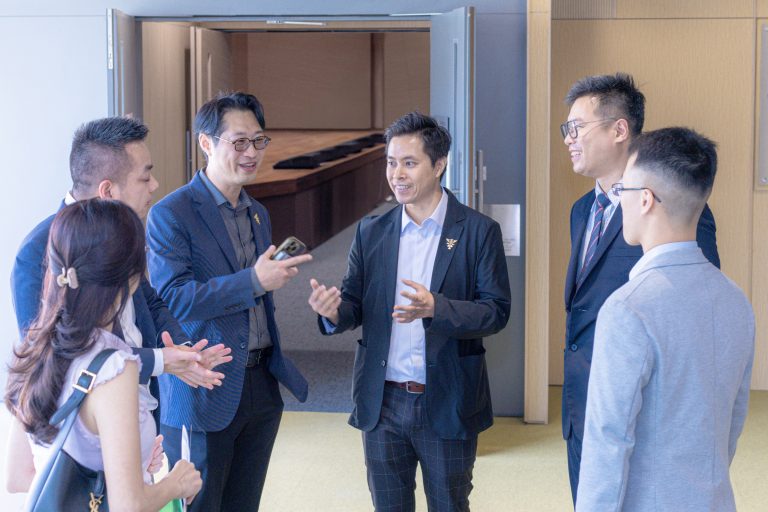
For both health and non-health professional body, you are welcome to contact us for inter-professional education and talks on:
Education
Educating other professionals on the scope of optometric practice and how optometrists can contribute to managing various health conditions, from vision problems to chronic systemic diseases.
Optometric Expertise
Highlighting the unique expertise optometrists can provide in assessing and addressing the visual, perceptual, and functional needs of patients, especially the aging population and those with disabilities.
Collaborative Care
Facilitating discussions on how different healthcare providers can collaborate effectively to deliver integrated, patient-centered care that addresses the physical, cognitive, and psychosocial needs of individuals.
Partnerships
Exploring opportunities for joint continuing education programs, case conferences, or shared clinics where optometrists can work alongside other professionals to provide seamless, holistic care.